
Red Rice
At its best
High Quality Red Rice with all its goodness, sourced as per guidelines and tested to match export regulations.
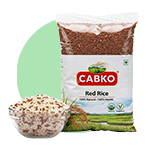
About Red Rice
The Aromatic Treasure of Assam
Red Rice is a traditional whole-grain variety recognized for its reddish-brown bran layer, which is packed with iron, zinc, magnesium, and antioxidants. Unlike polished white rice, it retains its outer layer, making it fiber-rich, heart-healthy, and diabetic-friendly. Its earthy flavor and chewy texture make it a favorite in health-conscious diets worldwide.
The North East Indian Red Rice (especially from Assam, Manipur, and Meghalaya) is highly valued for its organic cultivation, rich mineral content, and unique aroma, making it a premium choice for global markets.
Variants available

Fresh Ginger

Dried Ginger (Bleached)

Dried GInger (Unbleached)
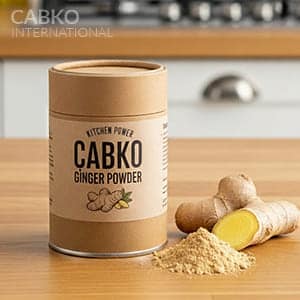
Ginger Powder
General Specifications
Botanical Name: Oryza sativa L. (pigmented variety)
Type: Whole Grain
Color: Reddish-brown with bran intact
Grain Size: Medium to Long
Moisture Content: Max 12% – 13%
Purity: 98% – 99%
Admixture: Max 1%
Protein Content: 7% – 8%
Fiber Content: 3% – 4%
Shelf Life: 12 months (cool, dry storage)
Packaging: 25kg, 50kg PP / jute bags; retail pouches
Quality: 100% Natural, Non-GMO, Preservative-Free
🌿 Applications of Red Rice:
- Consumed as boiled rice, porridge, or salads
- Popular in organic & health food segments
- Used in traditional North East Indian cuisines
- Beneficial for weight management, digestion & immunity
💡 Why Red Rice from Assam?
✅ Naturally cultivated in fertile alluvial soils
✅ Rich in iron, antioxidants & minerals
✅ Distinct earthy aroma and nutty taste
✅ Gaining demand in USA, Europe, Middle East & South-East Asia for organic diets
Packaging: Packaging: 25kg, 50kg PP / jute bags; retail pouches or as per customer requirements
Why Red Rice from Assam?
✅ Naturally cultivated in fertile alluvial soils
✅ Rich in iron, antioxidants & minerals
✅ Distinct earthy aroma and nutty taste
✅ Gaining demand in USA, Europe, Middle East & South-East Asia for organic diets